
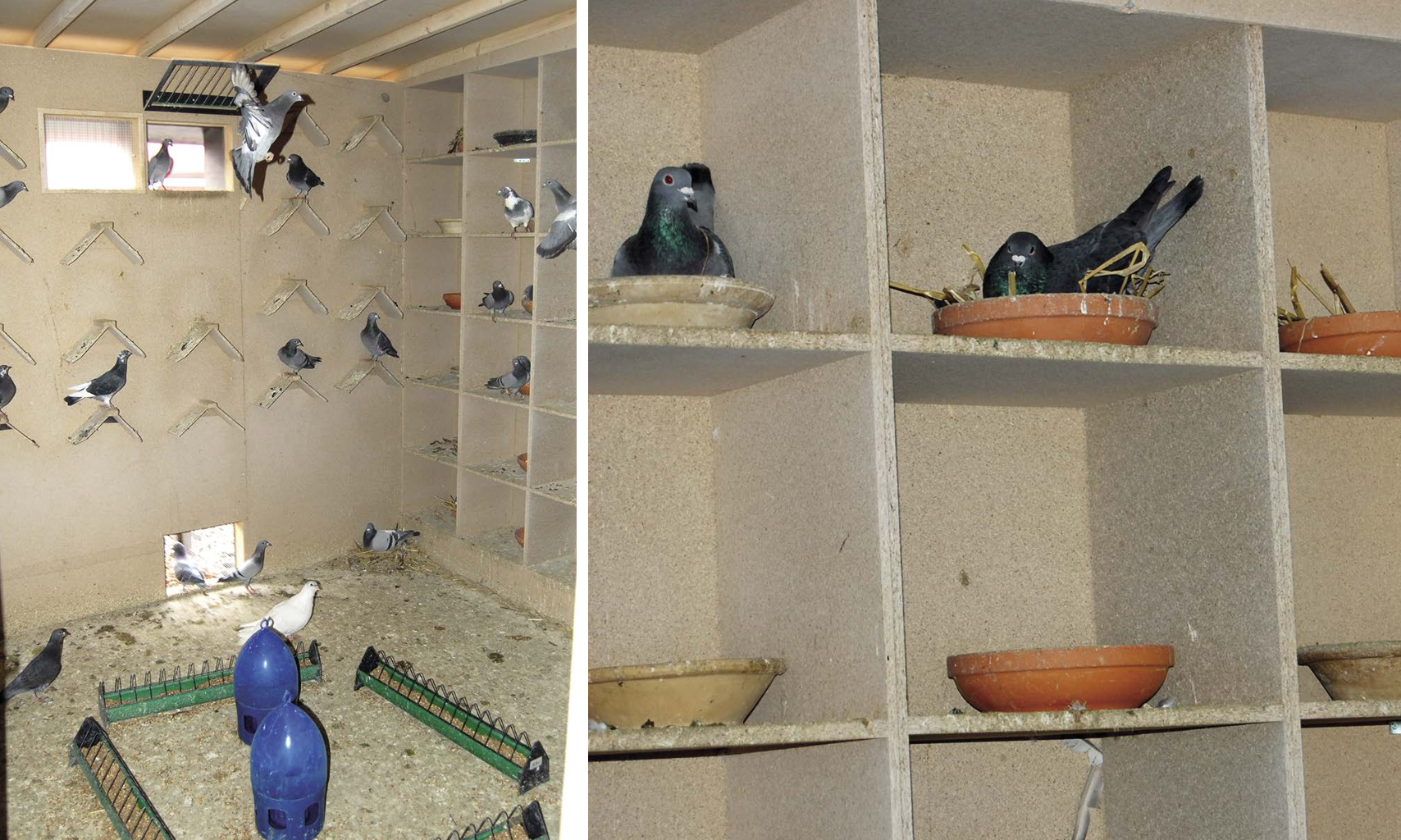
Weyrather, Alexandra. "Exemplary Photos from a Dovecote" , Menschen für Tierrechte – Bundesverband der Tierversuchsgegner e. V., September 2021.
從德國 Hannover「開放式避孕鴿舍」經驗
反思香港現行政策
前言
城市鴿群管理長期被視為一個「無解」的城市問題。在香港,政府多年來主要依賴 禁止餵飼(feeding ban) 作為核心政策工具,期望透過減少食物來源以控制鴿群數量。多個西方城市實施了針對鴿子及城市鳥類的餵食禁令。正如 Skandrani、Desquilbet 與 Prévot(2018)指出,許多西方城市曾對鴿子及城市鳥類實施餵食禁令。然而,除了1988年巴塞爾的一項研究(Haag‑Wackernagel, 1995)之外,目前尚無公開發表的數據顯示餵食禁令對鴿群數量具有明顯影響。國際經驗與動物行為研究早已指出:單靠禁餵,既無法有效控制鴿群數量,亦未能處理繁殖問題的根本。
2024 年 7 月,本組織代表到訪德國中部城市 Hannover(漢諾威),與當地動物保護志願團體進行實地交流,親身了解其推行多年的 「開放式避孕鴿舍(Open Pigeon Loft)」 政策,並見證一個以人道、科學及跨部門合作為基礎的成功案例。
Rethinking Hong Kong’s Current Policy Through the Experience of Hannover, Germany’s “Open Pigeon Loft”
Introduction
Urban pigeon population management has long been regarded as an “intractable” city problem. In Hong Kong, the government has for many years relied primarily on a feeding ban as its core policy instrument, hoping to control pigeon numbers by reducing food sources. However, international experience and animal behaviour research have long demonstrated that a feeding ban alone neither effectively controls pigeon populations nor addresses the root cause of overpopulation—reproduction. As Skandrani, Desquilbet, and Prévot (2018) note, several Western cities have implemented a feeding ban on pigeons and urban birds… However, to date, no published data argue that a feeding ban has any impact on pigeon numbers, except for a study from 1988 for the city of Basel (Haag‑Wackernagel, 1995).
In July 2024, representatives of our organisation visited Hannover, a city in central Germany, to conduct on-site exchanges with local animal welfare volunteer groups. The visit provided first-hand insight into Hannover’s long-standing “Open Pigeon Loft” policy and allowed us to observe a successful model grounded in humane principles, scientific management, and cross-sector collaboration.

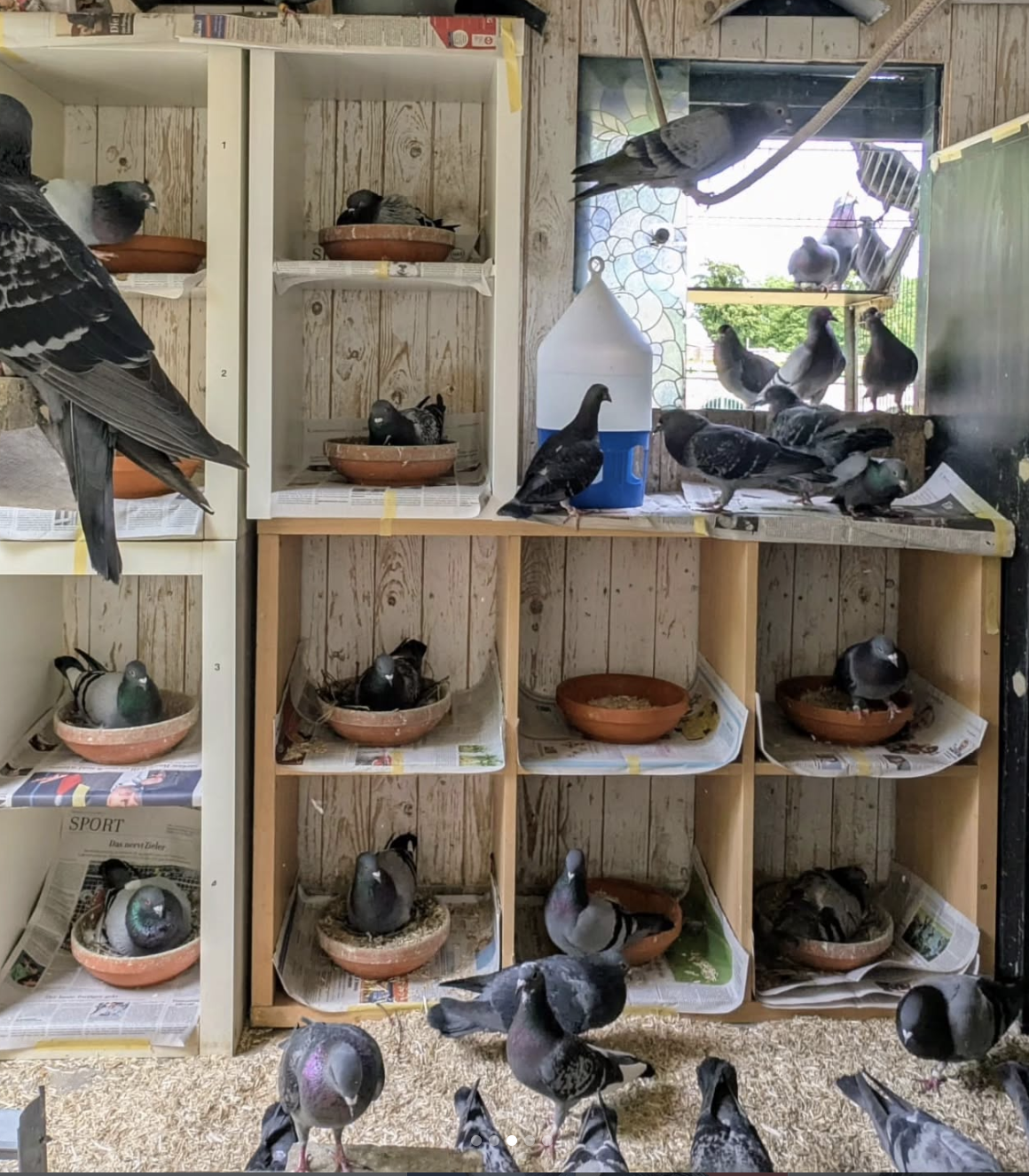
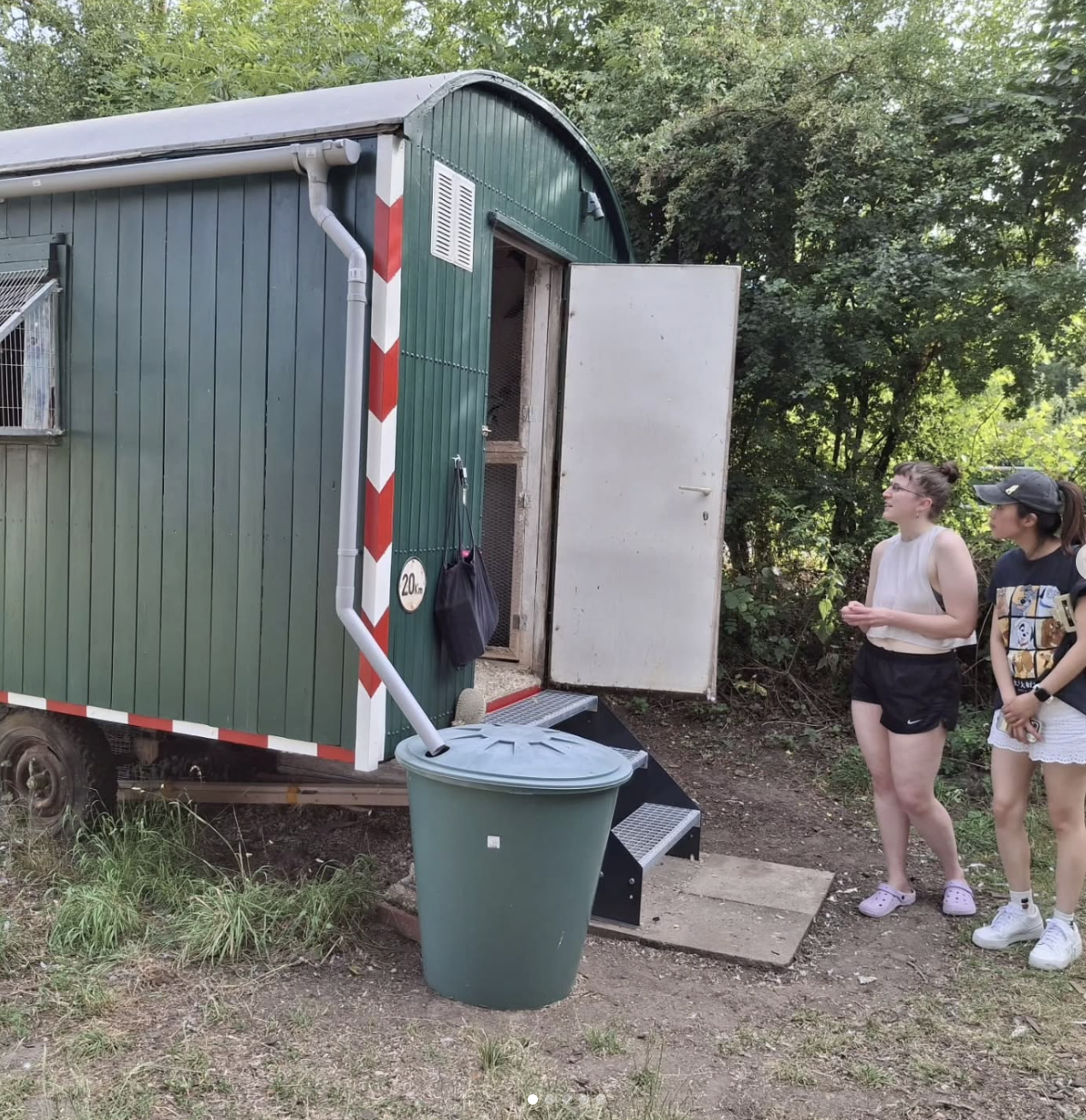
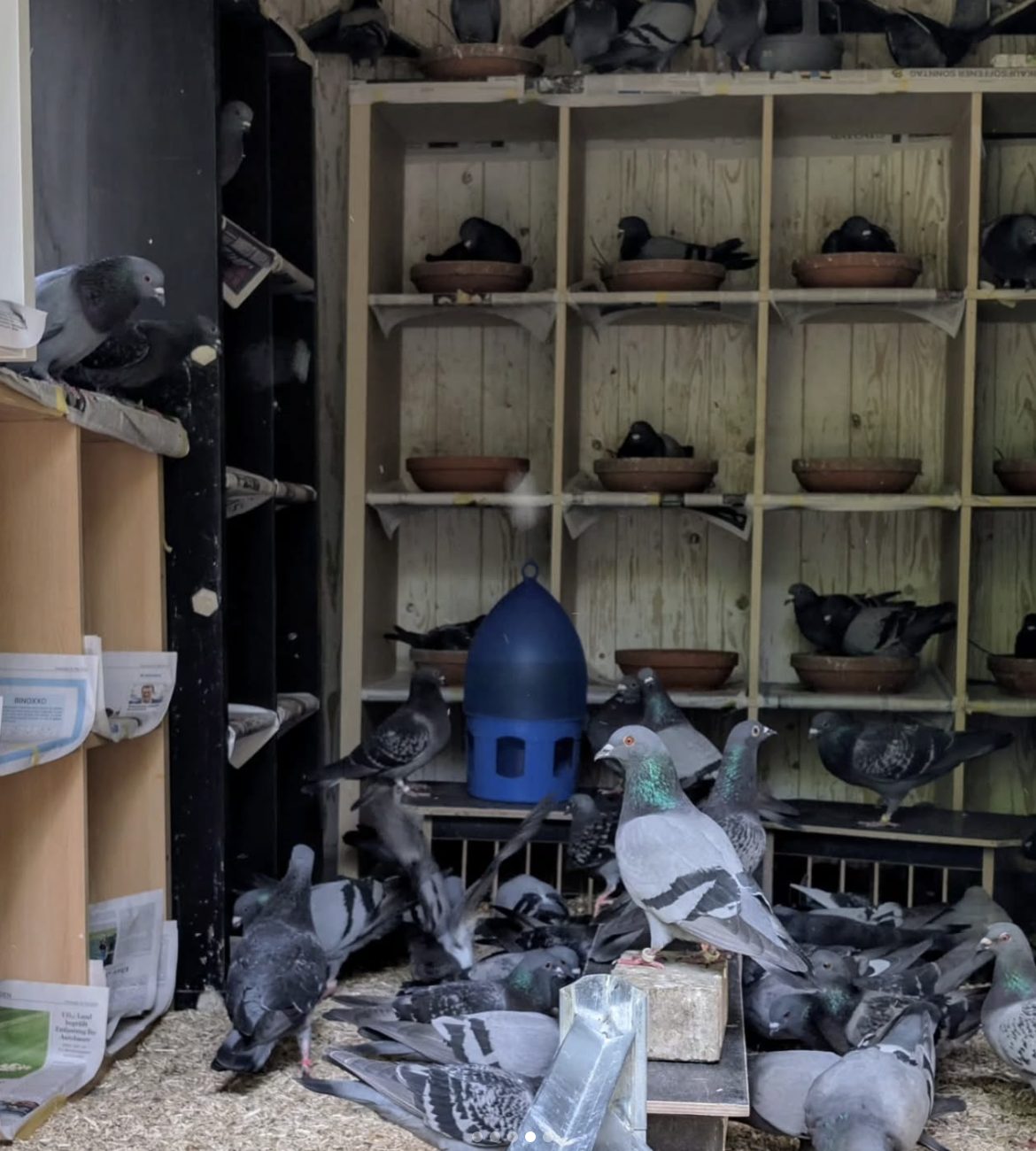
一、Hannover 曾面對與香港高度相似的困境
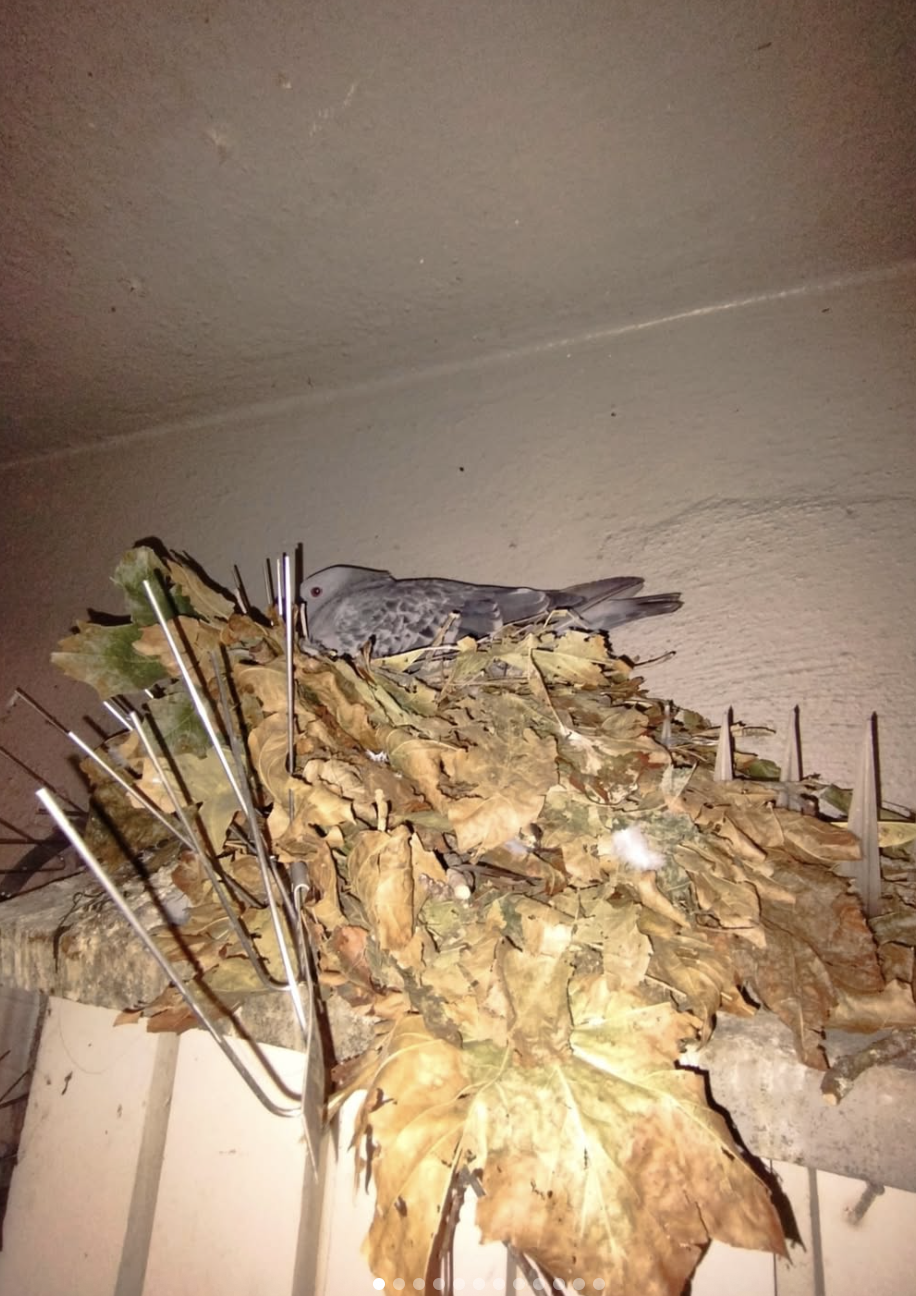
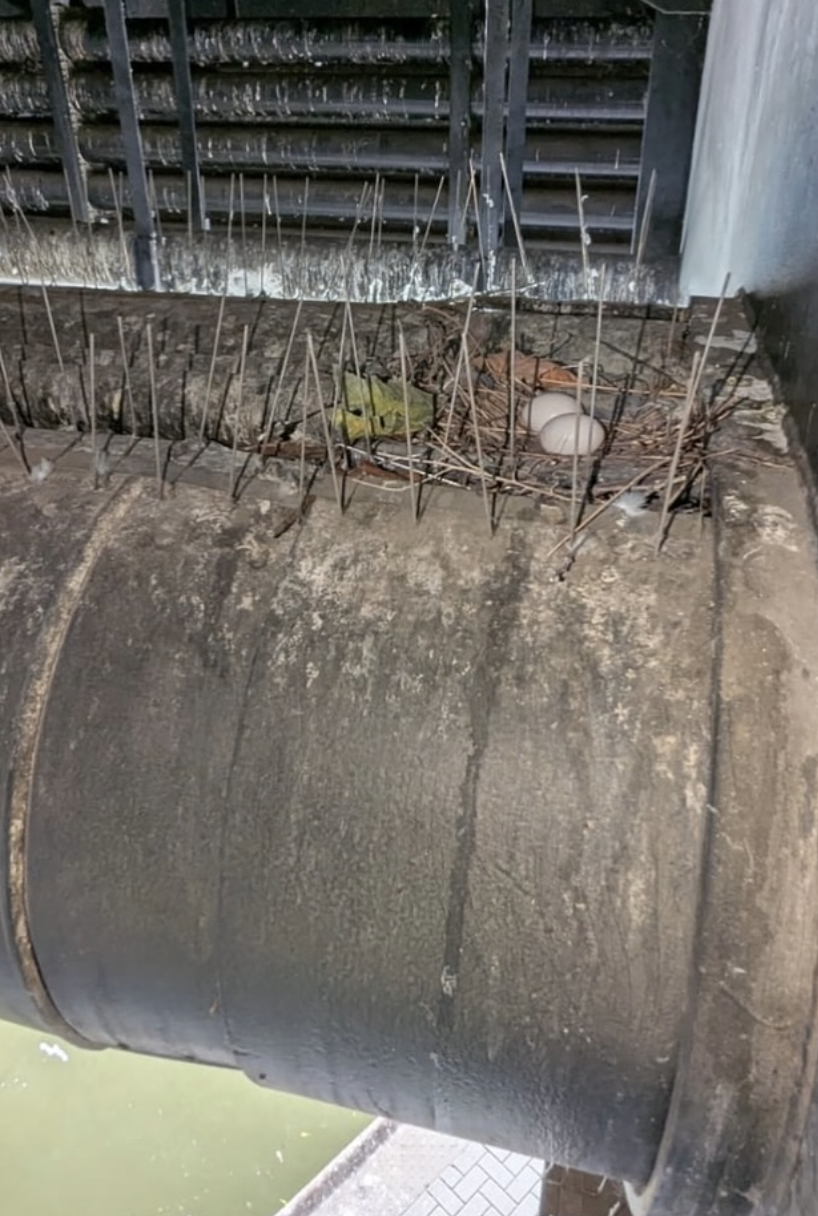
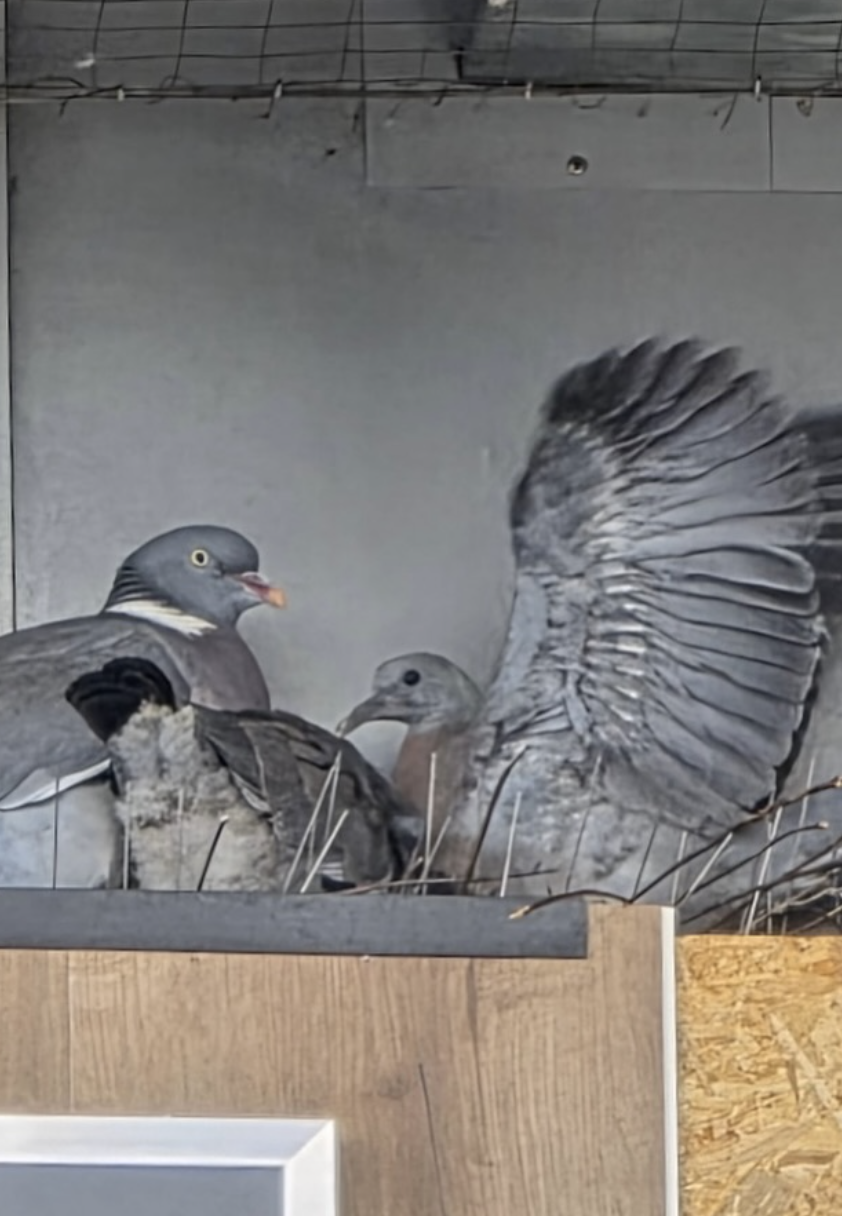
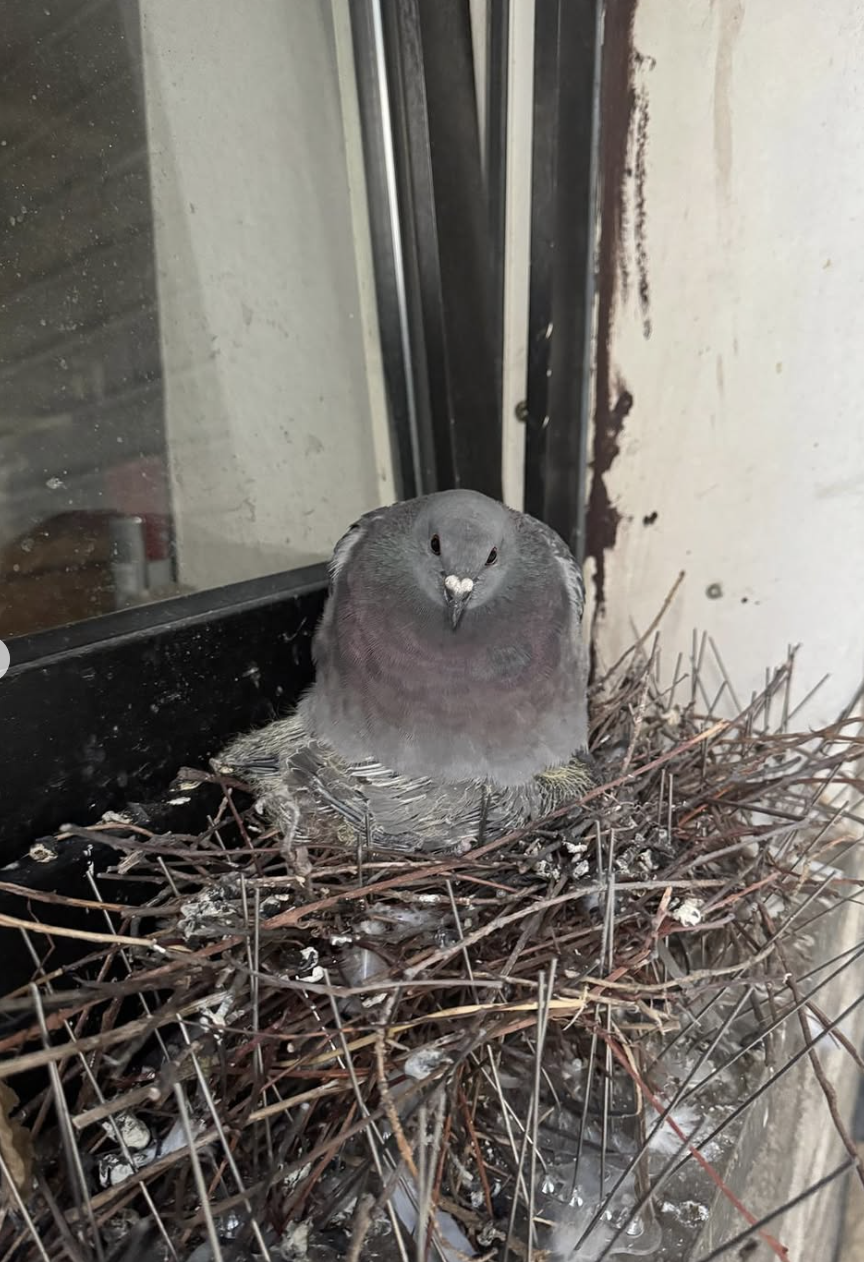
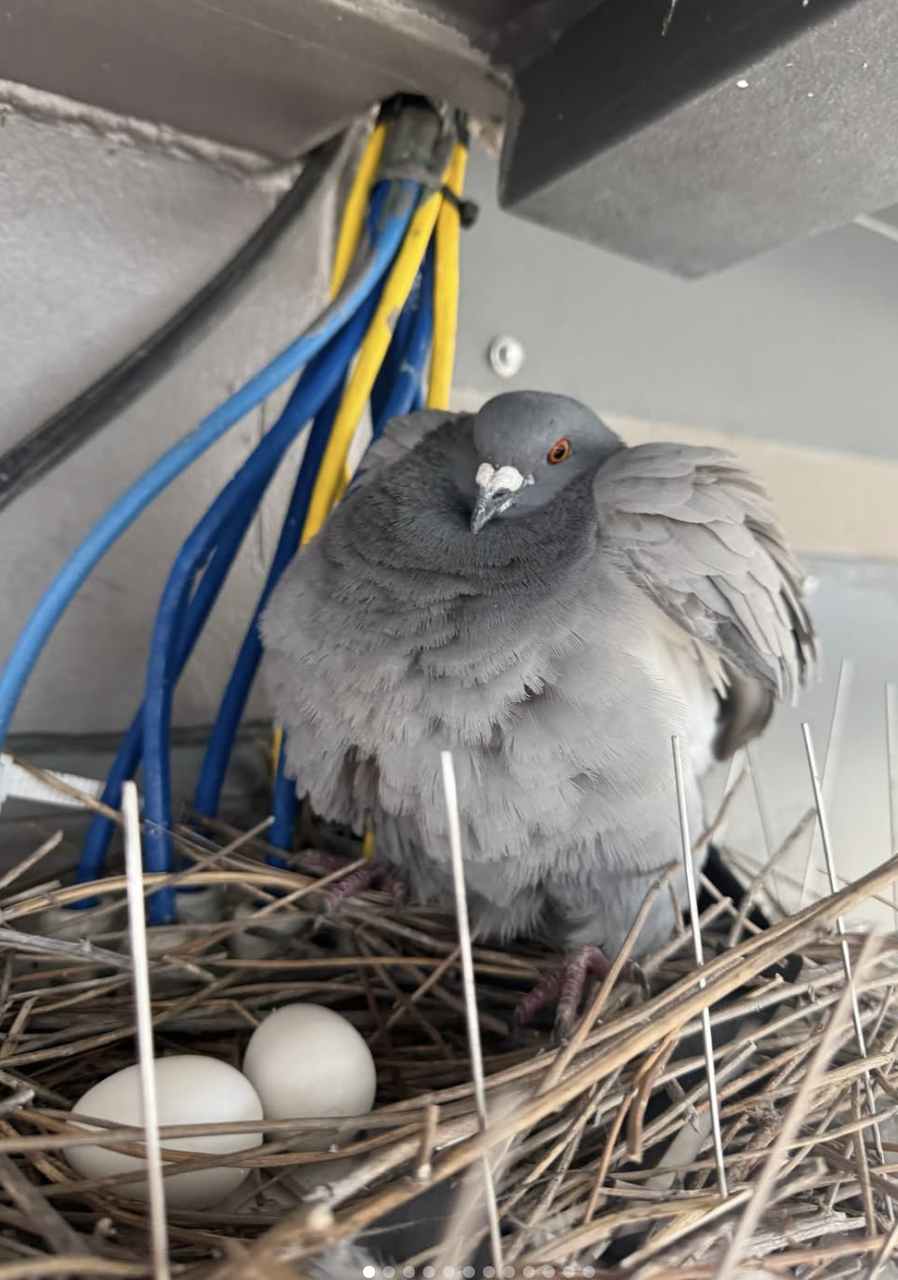
十多年前,Hannover 市中心的城市鴿數量持續上升,造成:
市容及公共衛生關注
市民投訴增加
政府部門疲於應對
與香港相同的是,傳統措施(包括驅趕、破壞築巢環境及限制餵飼),未能帶來任何長期且可持續的效果。當地政府最終確認:若不正面處理「繁殖行為」,任何表面措施都只會治標不治本。
I. Hannover Faced Challenges Highly Comparable to Those in Hong Kong
More than a decade ago, the pigeon population in Hannover’s city centre continued to rise, giving rise to a series of problems, including:
Concerns over the urban environment and public hygiene
A growing number of complaints from residents
Government departments stretched thin in their response efforts
As in Hong Kong, conventional measures—such as dispersal, destruction of nesting sites, and restrictions on feeding—failed to deliver any long-term or sustainable results. The German local authorities ultimately recognised that without directly addressing reproductive behaviour, any superficial intervention would merely treat the symptoms rather than the underlying cause.
二、「開放式避孕鴿舍」的政策原理與運作方式
1️⃣ 以鴿隻行為學為基礎
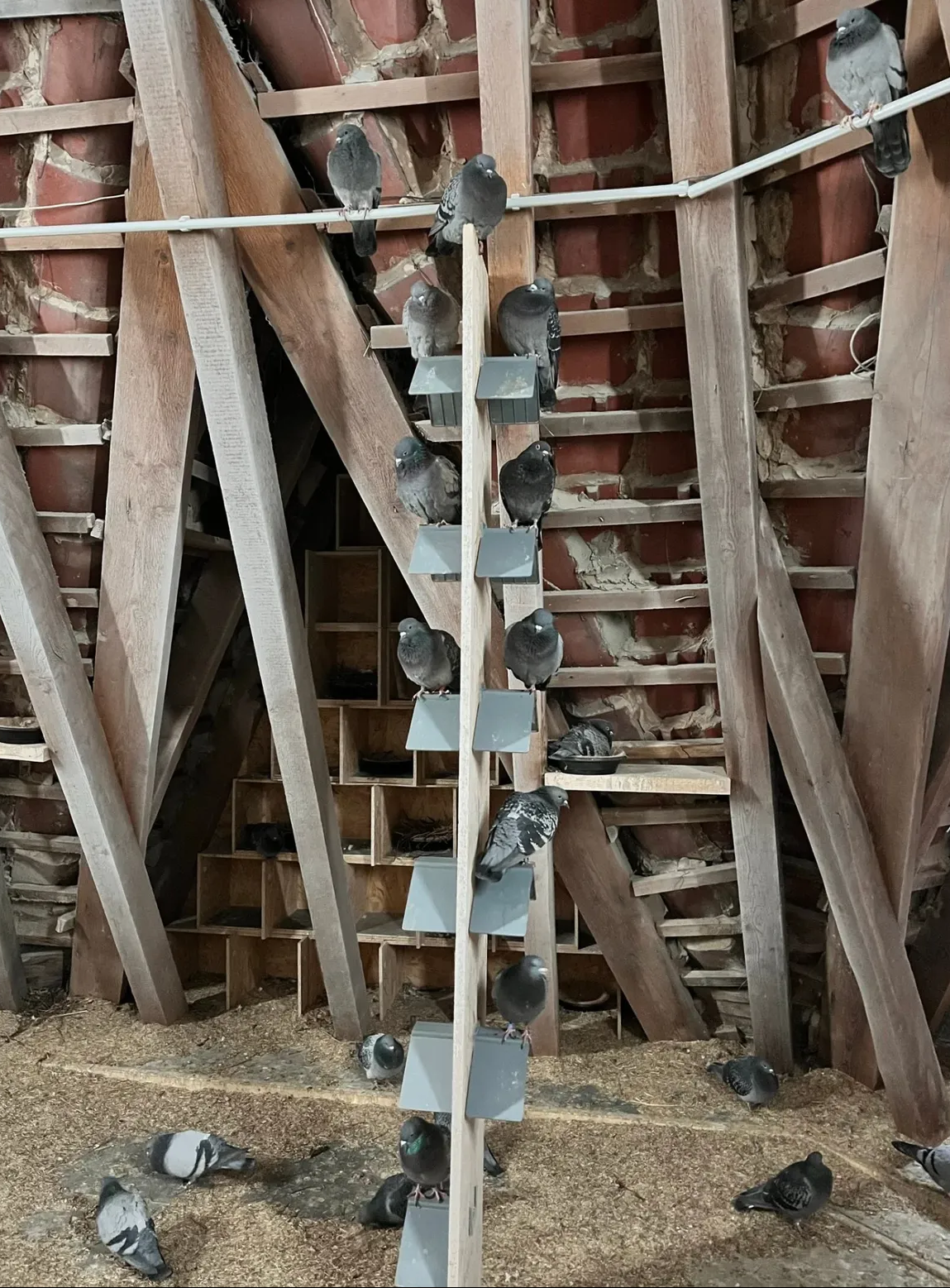
城市鴿具有高度定點繁殖習性,一旦選定安全穩定的築巢地點,便會反覆回到同一位置繁殖。
開放式避孕鴿舍正是:
• 為鴿隻提供更安全、更吸引的繁殖空間
• 將其繁殖活動集中及可控化
2️⃣ 人道控制繁殖,而非干預生命
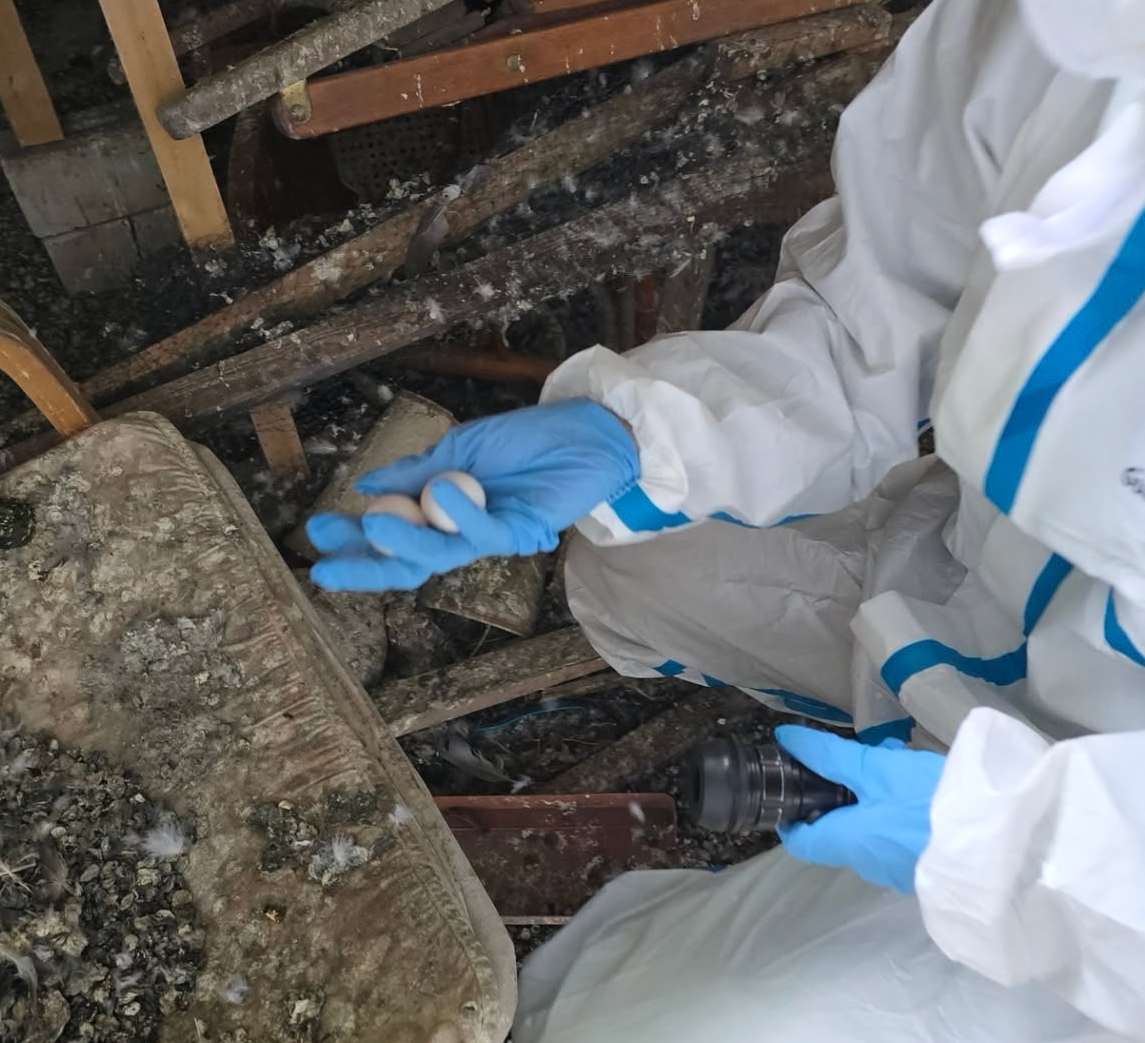
由受訓的管理人員定期進入鴿舍:
• 將已受精的鴿蛋
• 人道地替換為假蛋(如塑膠蛋)
結果是:
• 親鳥行為不受干擾
• 無新鴿出生
• 鴿群數量隨時間自然下降
整個過程中不涉及捕殺、毒害或造成動物痛苦。
II. Policy Rationale and Operational Model of the “Open Pigeon Loft”
1️⃣ Behaviour-based management grounded in ethology
Urban pigeons display a strong site-fidelity breeding pattern: once they identify a safe and stable nesting location, they will repeatedly return to the same site to reproduce.
The Open Pigeon Loft is designed precisely to leverage this behavioural trait by:
Providing pigeons with safer and more attractive breeding spaces
Centralising and rendering their reproductive activity manageable and controllable
2️⃣ Humane control of reproduction, not interference with life
Trained personnel regularly access the pigeon lofts to:
Identify fertilised pigeon eggs
Humanely replace them with dummy eggs (such as plastic eggs)
The outcomes are clear:
Adult pigeons’ natural behaviour remains undisturbed
No new pigeons are born
The overall pigeon population declines naturally over time
Throughout the process, no culling, poisoning, or practices that cause animal suffering are involved.
四、高度彈性、低衝突的城市方案
與一般想像不同,開放式避孕鴿舍並不需要大型或昂貴的基建:
可利用改裝貨櫃
舊型美食車
小型花園屋
教堂或公共設施附屬空間
近郊或低人流地點
📍 選址不局限於市中心或交通樞紐
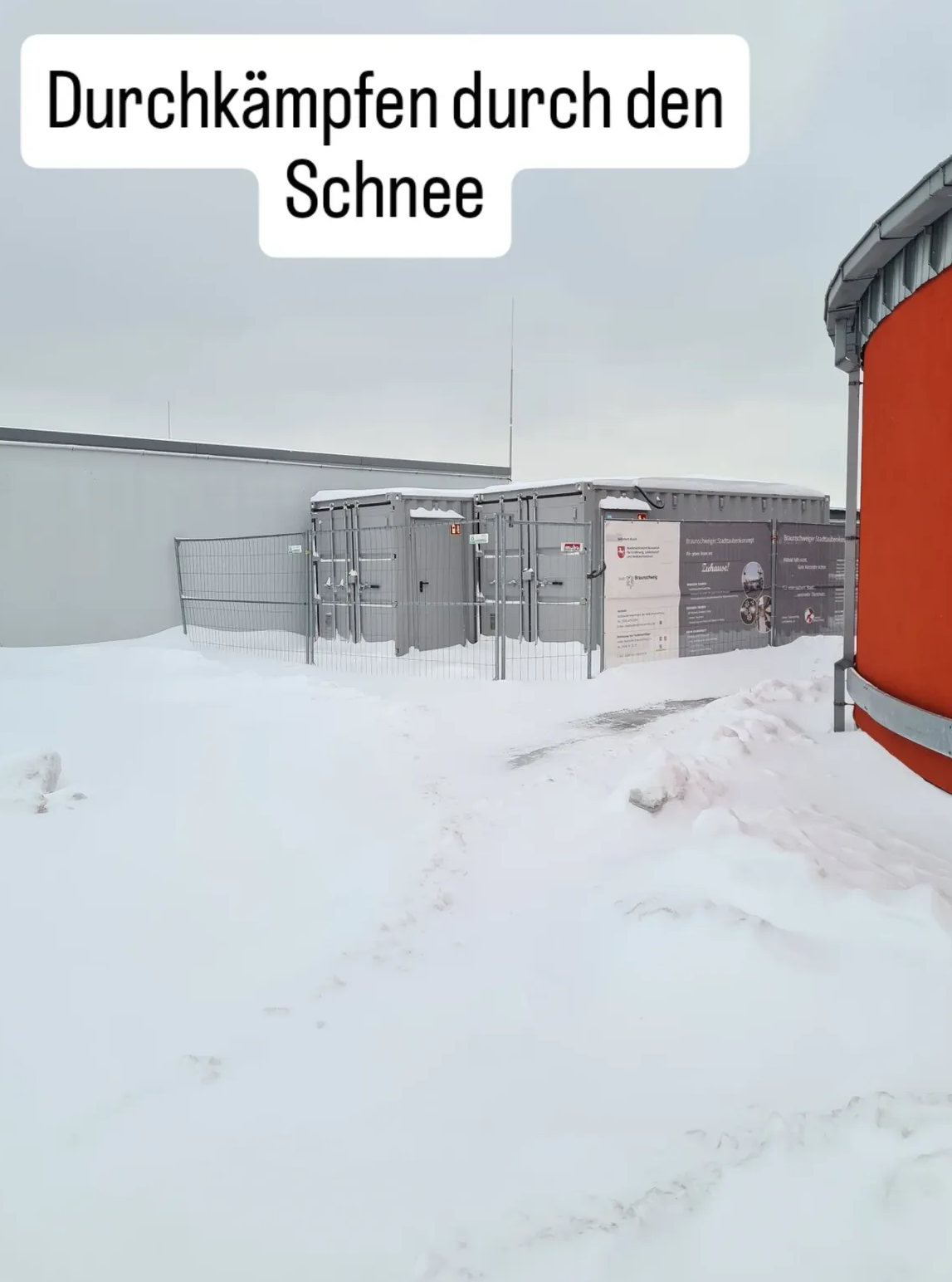
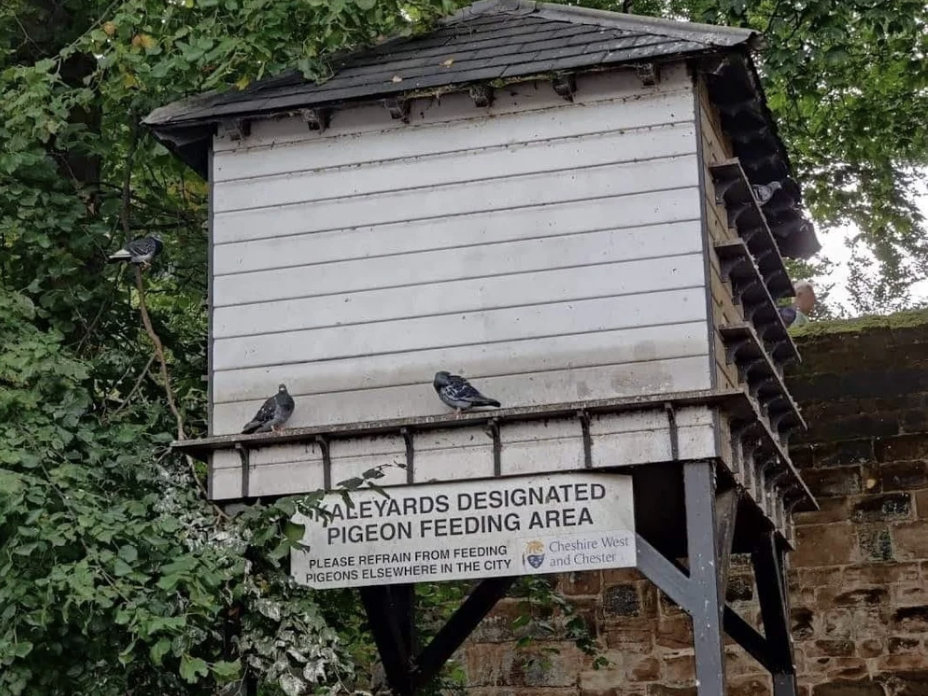

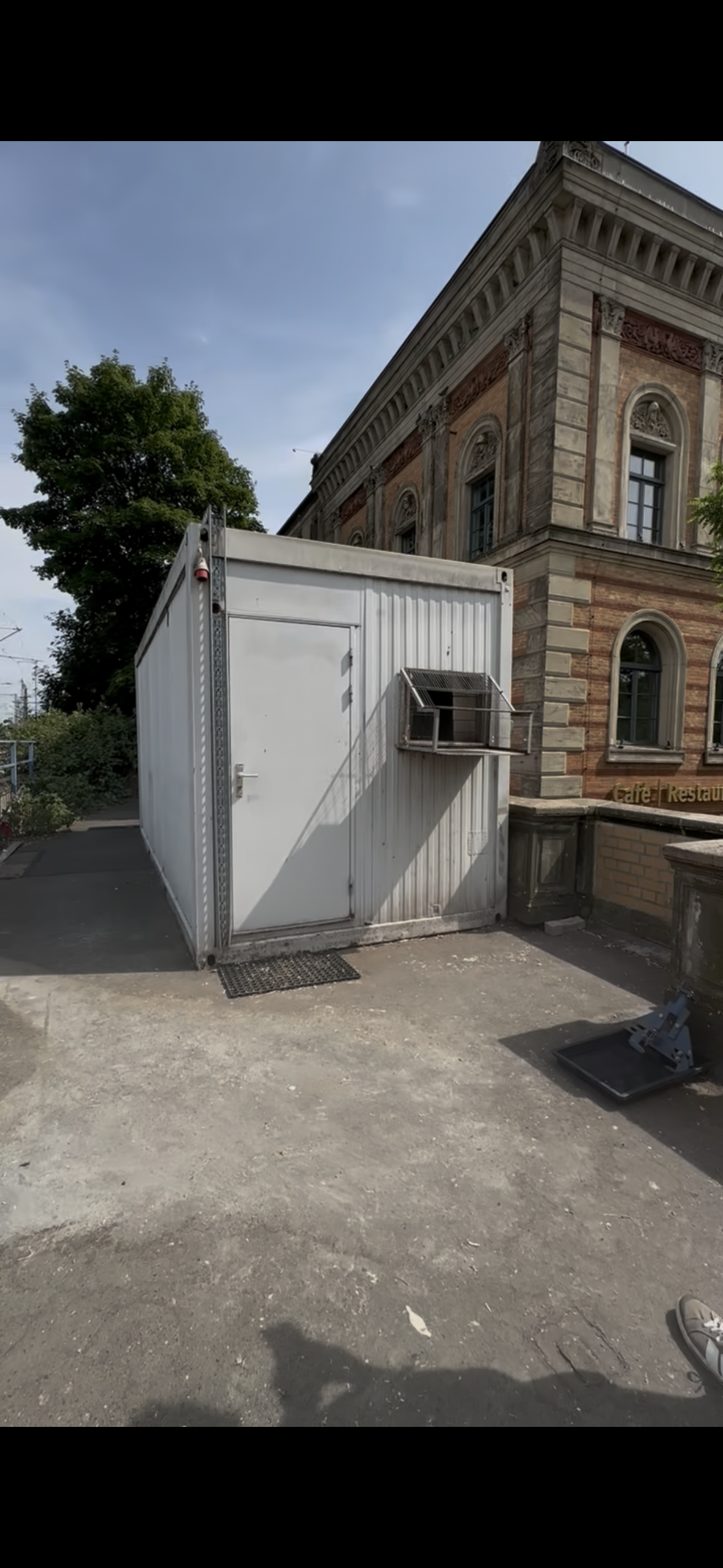
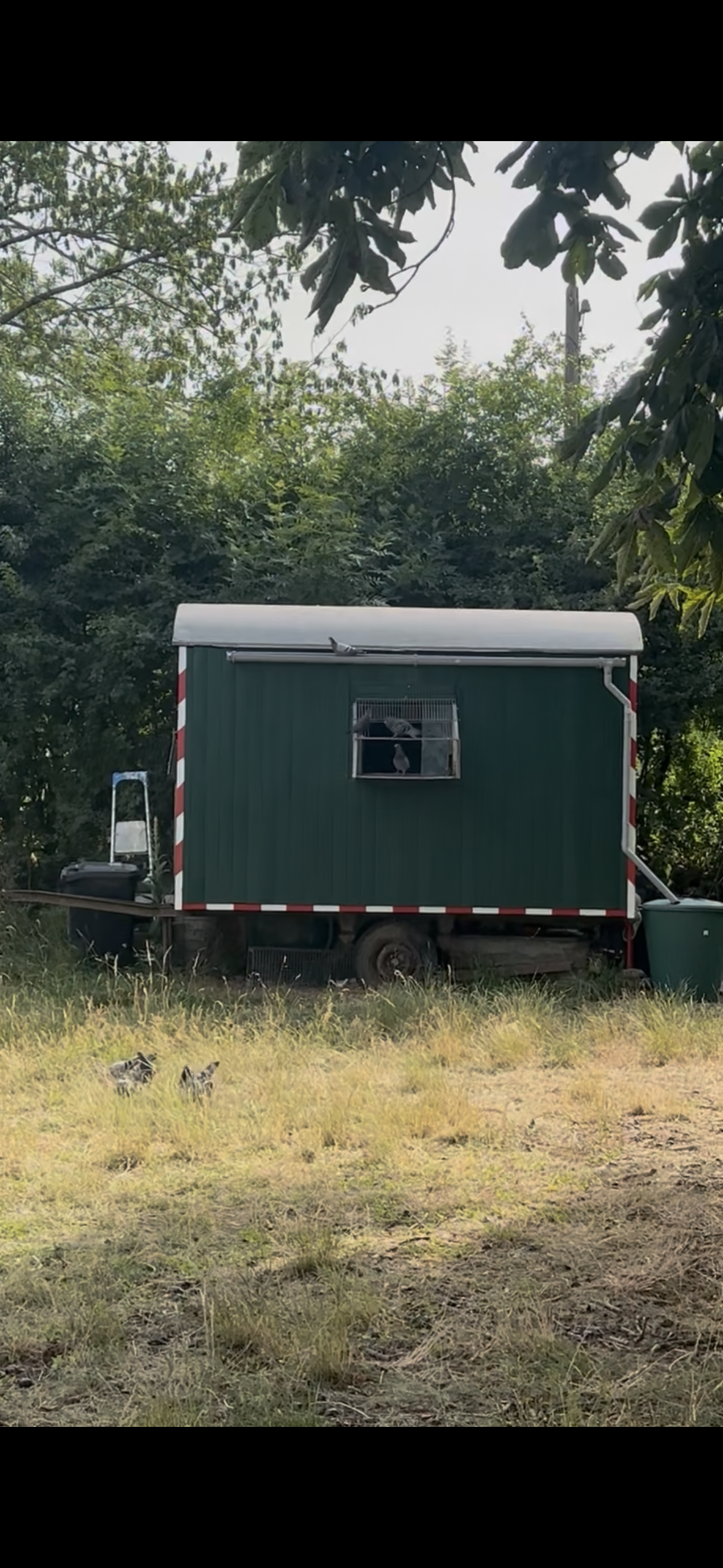
這種「可因地制宜」的設計,令方案具備高度可複製性,亦特別適合高密度城市如香港。
IV. A Highly Flexible, Low-Conflict Urban Solution
Contrary to common assumptions, Open Pigeon Lofts do not require large-scale or costly infrastructure. They can be implemented using:
Repurposed shipping containers
Old food trucks
Small garden houses
Spaces attached to churches or public facilities
Suburban or low-traffic locations
📍 Site selection is not limited to city centres or transport hubs.
This adaptable, context-sensitive design makes the approach highly replicable and particularly well-suited for high-density cities such as Hong Kong.
五、重新檢視「禁餵飼」作為單一政策工具的局限
大量國際研究與實務經驗顯示:
禁餵並不會令鴿停止繁殖
食物短缺反而導致:
翻找垃圾行為增加
動物健康下降
人與動物衝突加劇
更重要的是,禁餵政策:
將管理責任轉嫁予市民
容易引發社會對立
缺乏長遠人口控制策略
這並非一個以證據為本的城市管理模式。
V. Rethinking the Limitations of a “Feeding Ban” as a Standalone Policy Tool
Extensive international research and practical experience have shown that:
A feeding ban does not stop pigeons from reproducing
Food scarcity can instead lead to:
Increased scavenging in garbage
Declining animal health
Heightened human–animal conflicts
More importantly, a feeding ban:
Shifts the responsibility of management onto citizens
Easily fuels social tensions
Lacks a long-term strategy for population control
Clearly, this approach does not constitute an evidence-based urban management model.
六、政策建議:香港可以如何起步?

Loft maintenance staff from Stadttiere Braunschweig, Gr.
我們建議政府考慮以下方向:
1️⃣ 以試點形式 (Pilot Scheme) 設立開放式避孕鴿舍 - 於特定地區引入 1–2 個開放式避孕鴿舍。
2️⃣ 與具經驗的動物福利團體建立合作機制 - 利用現有專業與社區網絡,減低行政成本。
3️⃣ 將資源由執法導向,轉為管理與監察 + 建立透明數據追蹤機制 (包括蛋隻替換數量、鴿群變化、市民投訴趨勢)。
4️⃣ 逐步由「單一禁制」轉向「綜合管理」- 將禁餵由唯一手段,轉為輔助措施之一。
這不但符合動物福利原則,亦貼合國際城市管理趨勢,同時有助降低長期行政成本,打造可持續、科學的人道鴿群管理模式。
VI. Policy Recommendations: How Hong Kong Could Get Started
We recommend that the government consider the following steps:
1️⃣ Pilot the establishment of Open Pigeon Lofts
2️⃣ Collaborate with experienced animal welfare organisations
3️⃣ Shift resources from enforcement to management and monitoring
4️⃣ Evaluate policy effectiveness using data (e.g., reproduction rates, population trends)
Such an approach would not only align with principles of animal welfare whilst keeping up with international trends in urban management, but also help reduce long-term administrative costs.
結語
選擇一條更文明、更有效的道路 Hannover 的經驗清楚顯示:
• 人道方法並非理想主義
• 而是可執行、可量化、可複製的公共政策
香港正站在一個選擇點上: 是繼續依賴成效存疑的禁令, 還是邁向一個以科學、同理心及合作為本的城市管理模式?
我們相信,改變是可行的。
Conclusion: Choosing a More Civilised and Effective Path
The experience of Hannover clearly demonstrates that:
Humane approaches are not idealistic
They are practical, measurable, and replicable public policies
Hong Kong now stands at a crossroads:
Will it continue to rely on a questionably effective ban,
or move towards an urban management model grounded in science, empathy, and collaboration?
👉 We firmly believe that change is possible.